For decades, the Church has had a complicated relationship with Hollywood. We’ve criticized its content, questioned its values, boycotted its movies, and complained about the steady erosion of wholesome, family-friendly entertainment. And, to be fair, Hollywood has given us plenty of material to work with. But somewhere along the way, I wonder if we became better at criticizing culture than creating it.
For years, the conversation centered on what Christians shouldn’t watch, rather than what Christians could make. We became consumers with complaints instead of creators with compelling alternatives. Meanwhile, Hollywood was changing. Studios increasingly chased massive franchises, recognizable intellectual property, and billion-dollar box office returns. Original stories and modestly budgeted family films often struggled to find their place in the theatrical business model.
Then something interesting happened. Faith-based films began proving there was a substantial audience Hollywood had often overlooked. Moviegoers didn’t necessarily need A-list celebrities, enormous budgets, or elaborate special effects. They wanted compelling stories about faith, sacrifice, redemption, marriage, family, courage, and hope. Now, did the Church actually bring down Hollywood? Of course not. Hollywood’s challenges are far more complicated than that, and the film industry isn’t disappearing.
But perhaps the Church helped expose something Hollywood had forgotten: You don’t have to appeal to everyone to create something that matters to millions.
And here’s the bigger question I’ve been wrestling with. What if the Church’s greatest contribution to entertainment isn’t boycotting bad movies, but helping create better ones? What if churches stopped thinking exclusively about the audiences they could gather on Sunday and started thinking about the filmmakers, storytellers, artists, and innovators they could send into the world? Because there’s a remarkable example of what happens when a church stops waiting for culture to change and decides to help create something different.
The Church That Helped Launch a New Generation of Filmmaking
In 2002, an associate pastor named Alex Kendrick approached Michael Catt, the senior pastor of Sherwood Baptist Church in Albany, Georgia, with an unconventional proposal. He wanted to make a movie. Not a sermon series. Not another church promotional video. A real feature film that could reach audiences far beyond the church. With approximately $20,000, a volunteer cast and crew, and a congregation willing to try something unconventional, they created Flywheel in 2003.
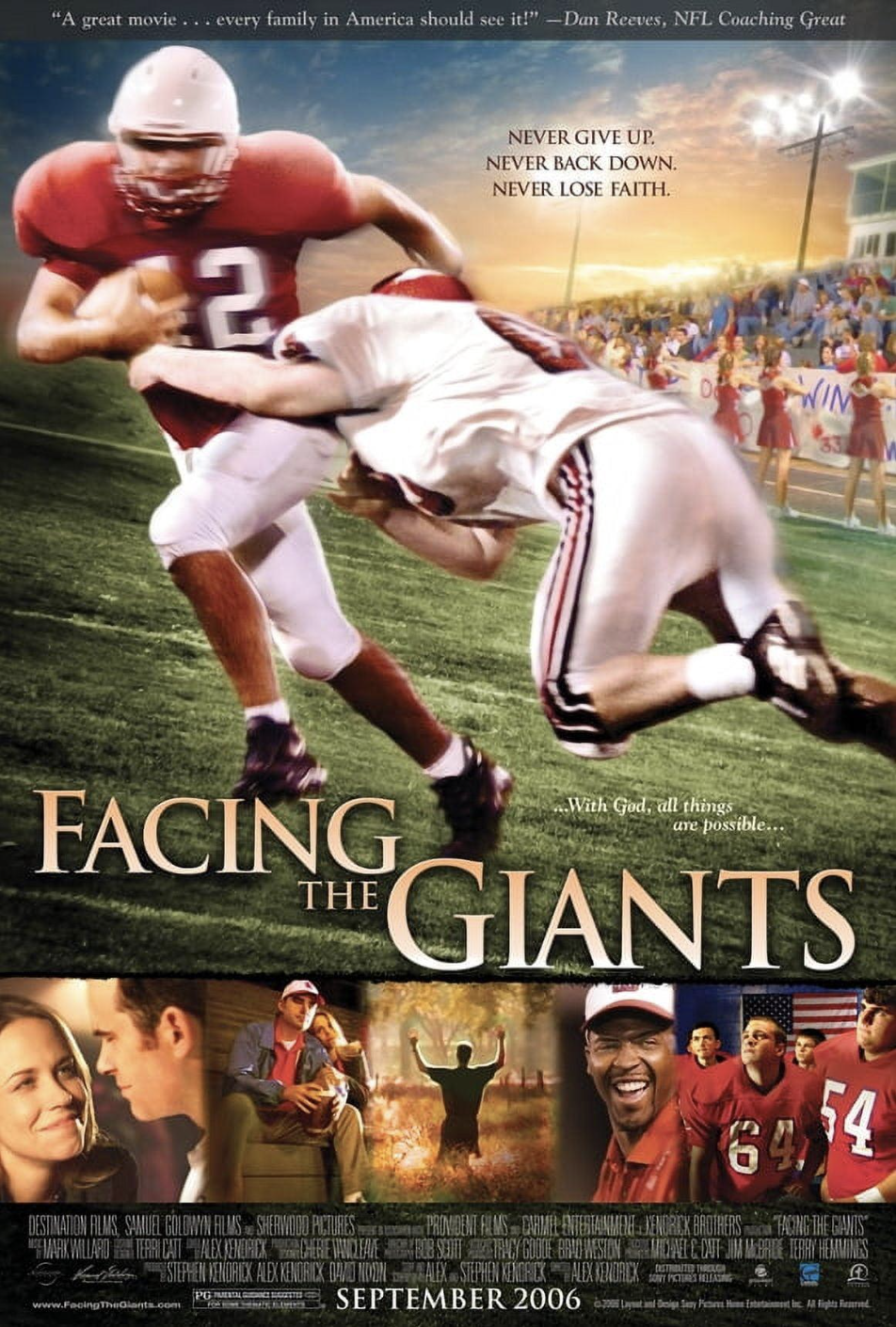
That small beginning eventually led to Facing the Giants, Fireproof, and Courageous. The church’s filmmaking ministry, Sherwood Pictures, helped demonstrate that faith-forward storytelling could reach audiences and succeed commercially. The Kendrick Brothers eventually launched their own production company, expanding their reach and helping develop a new generation of Christian filmmakers. But the most important lesson isn’t the box office.
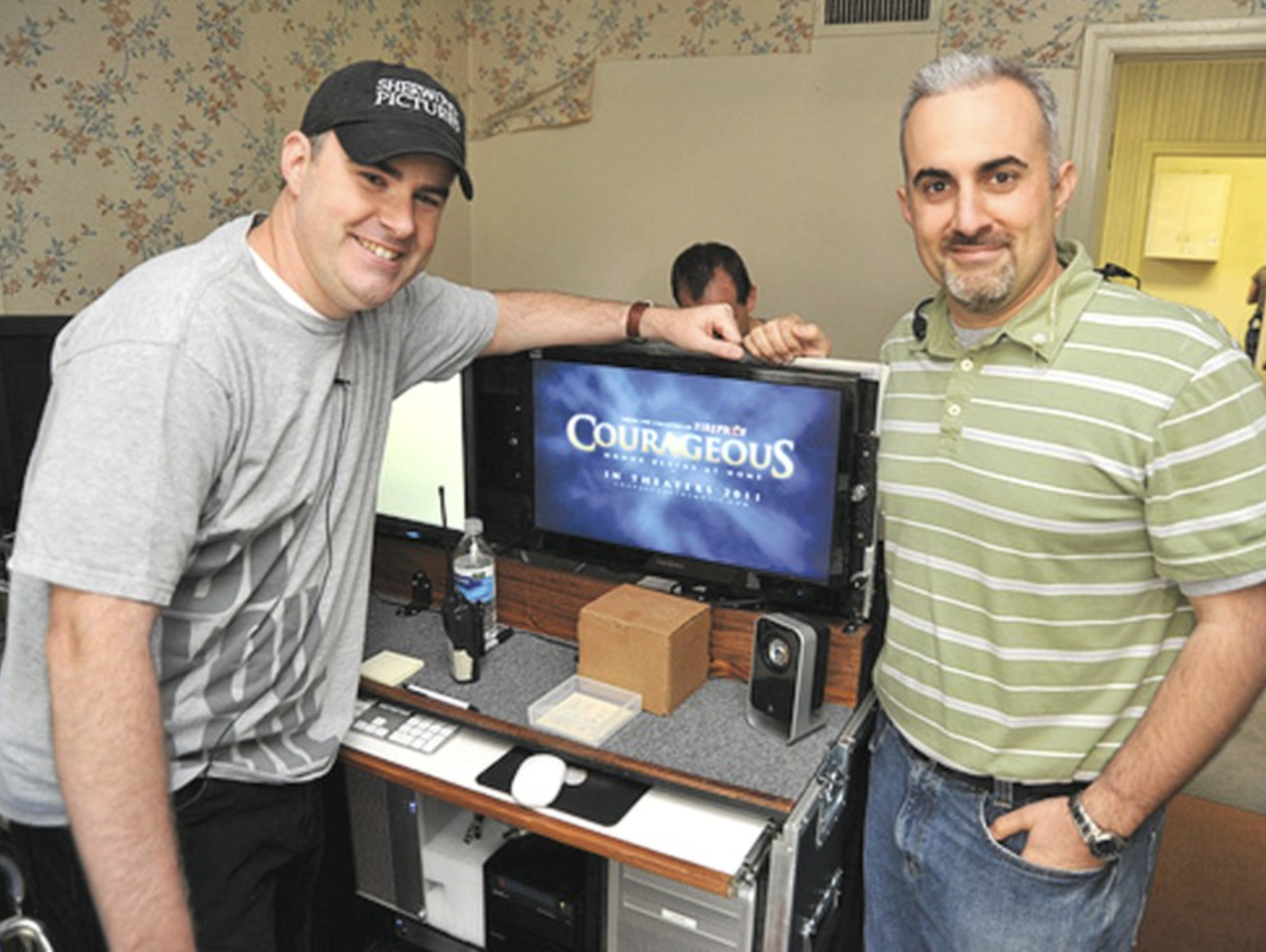
Sherwood Baptist didn’t simply finance a movie. It recognized a calling, empowered creative people, and gave them permission to pursue an unconventional approach to ministry.
Imagine if Michael Catt had dismissed the idea because movies weren’t part of the church’s traditional ministry model. Or if the church had insisted that every project produce an immediate financial return. Or if leadership had decided the only worthwhile investment was something that brought more people through the church doors. Instead, they helped launch something that would reach well beyond Albany, Georgia. And that’s where I think this story becomes much bigger than the film industry. What if churches viewed themselves not simply as places where people attend, but as launching pads for people who create?
What if we identified entrepreneurs, filmmakers, designers, technologists, writers, and innovators within our congregations and actually invested in their potential? Not every church needs to start a movie studio. That’s not the point.
The point is that Kingdom influence grows when we stop measuring success exclusively by what we gather and start paying attention to what we release.
Perhaps the next great Christian filmmaker is sitting in a church right now. Or the person who will reinvent educational technology, build a groundbreaking business, or develop an entirely new way to bring the Gospel to the next generation. And maybe all they’re waiting for is a leader who sees what God has placed inside them and says, “Let’s find a way.” Hollywood doesn’t need the Church to destroy it. It may need the Church to remind it that stories still matter. And the Church may need to remember that its mission was never limited to filling buildings.

It was always about sending people out to change the world.
Message if you are curious about upcoming projects. I’ve got a few to share. Confidential of course. Larry@cllctv.org.

